

An hour before the doors open at a photography festival, a certain kind of silence descends. Somewhere, a technician is still adjusting a projector that won’t sit level, lanyards are arranged into tidy piles, and cameras are checked one last time. In Sharjah, that silence was broken this year by something louder than normal. When the gates finally opened, Xposure had just received over 29,000 photography submissions, and no one on staff seemed fully prepared for the significance of that figure.
Sitting with that figure for a moment is worthwhile. Twenty-nine thousand photos were submitted over ten days on a 49,000-square-meter site in Aljada by individuals dispersed throughout more than sixty countries. That is not a turnout of specialized hobbyists. That is more akin to a referendum on the continued viability of photography as a discipline. In all honesty, the answer appears to be yes, but not in the manner that was anticipated ten years ago.
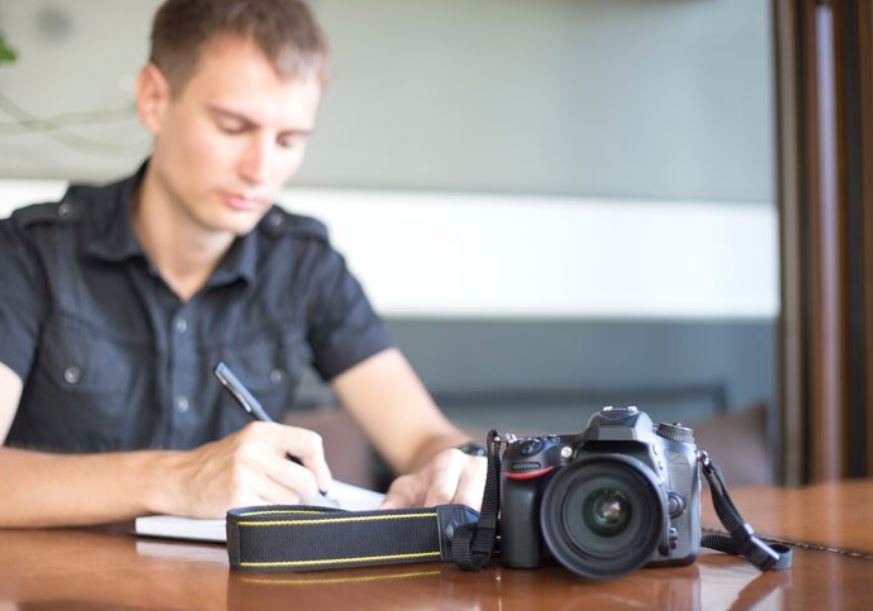
The contrast is the first thing you notice when you stroll around the grounds. While a smaller, more subdued crowd lingers close to the documentary prints—the kind of work that takes years rather than seconds to produce—younger photographers congregate around touchscreen kiosks, comparing notes on drone shots and underwater rigs. There were both groups present. They both appeared to fit in. It’s difficult to ignore how easily the festival accommodated completely different interpretations of the purpose of a photograph.
Environmental photographer Sebastian Copeland, who spoke at this year’s event, put it in a way that many attendees found memorable: photography as a means of getting people to listen with their eyes when they’ve stopped listening with their ears. That’s a more intense framing than most festivals try, and the climate angle may contribute to the annual increase in submissions. These days, more than just attractive photos are being submitted. Arguments appear to be being submitted by many.
However, the scale poses a question that is more difficult to cheerfully respond to. Judging at a festival with 29,000 entries becomes less about selecting the best image and more about selecting the one that survives a deluge of excellent ones. Thanks to phones and editing software that have reduced the difference between amateur and professional output, technical quality is now practically a standard expectation rather than a differentiator. A winning submission now appears to be determined by fewer teachable factors, such as timing, instinct, or perhaps a willingness to wait longer than others in uncomfortable situations.
Some of the longtime attendees believe that Xposure’s expansion reflects a larger change occurring throughout the medium, similar to what happened to Tesla when detractors claimed electric vehicles were a fad rather than a trend. Variations of this skepticism have also been expressed in the field of photography, such as the claims that phones killed the art, that everyone is now a photographer, and that saturation would eventually level the playing field. This year’s numbers from Sharjah seem to indicate otherwise, or at the very least, they significantly complicate that narrative.
Less is known about what will happen next. Festivals have the potential to transform into something unrecognizable, chasing scale until the intimacy that initially made them worthwhile to attend subtly vanishes. Xposure hasn’t yet gone over that threshold. However, it’s reasonable to question how many more decades this kind of growth can maintain its shape, given that submissions are still rising and Athens is already scheduled to be the guest of honor next year.
FAQs
1. How many photography submissions did Xposure 2026 receive?
Over 29,000 entries from more than 60 countries.
2. Where was Xposure 2026 held?
At Aljada in Sharjah, United Arab Emirates.
3. What anniversary did Xposure celebrate in 2026?
Its tenth anniversary, themed “A Decade of Visual Storytelling.”
4. How many film entries did Xposure 2026 receive?
634 films were submitted alongside the photography entries.
5. Who organizes the Xposure festival?
The Sharjah Government Media Bureau organizes the event.
