

Every documentary photographer is familiar with a certain moment. Before you even realize it, you see it: a gesture, a face, a piece of personal sorrow taking place in a public area. The camera is already rising. And the question of whether or not you should emerges in the split second between instinct and decision.
It’s not a question photography schools spend enough time on. Exposure, framing, and light are all covered in detail. But the ethical weight of pointing a lens at a suffering human being, or a displaced family, or a child who doesn’t know you’re there — that tends to get treated as a sidebar. In the field, you’ll discover something. You do figure it out, even if it’s not always neatly.
The tension is not new. This tense area between witness and intrusion has always been the focus of documentary photography. Dorothea Lange photographed Florence Owens Thompson without her full understanding of how widely that image would circulate. The Migrant Mother became one of the most recognised photographs of the twentieth century. According to reports, Thompson spent years attempting to have it suppressed and never received a dime from it. That detail doesn’t erase the image’s power or its historical value. However, it remains silent, serving as a reminder that the subject’s experience and the photographer’s goal are not always the same.
The field of humanitarian photography has attempted to codify this unease. Strict guidelines have been developed by organizations such as IOM regarding the documentation of trafficking survivors: identities must be protected, faces must be hidden, and locations must remain ambiguous, even if editors insist on more striking visuals. UN.GIFT goes one step further and requests that photographers approach survivors with a kind of radical ordinariness rather than viewing them as victims at all. The advice basically says, “Be human first.” Secondary is the camera.
That’s easier said than done on a deadline. Anyone who has worked in editorial photography can attest to the intense pressure to create photographs that evoke strong emotions in viewers and have enough visual impact to be published, encourage donations, or influence policy. Lisa Kristine, who documented modern slavery in 100 countries for almost thirty years, has been open about this conflict. Her work is haunting precisely because it refuses to look away. However, Kristine has also taken care to present her subjects as individuals rather than as representations of suffering. A casual viewer might not notice the difference between those two methods, but it affects every aspect of how the image affects the subject.
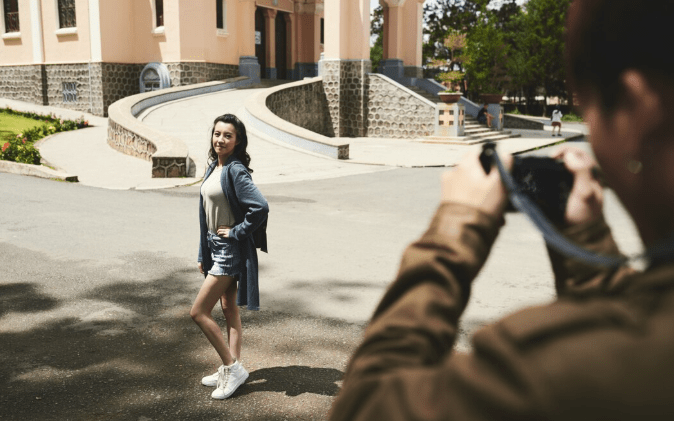
Whether the industry has actually fixed any of this remains to be seen. The question of whether taking candid photos is a form of observation or a low-grade form of extraction—taking something from a stranger without their knowledge or consent—remains a topic of discussion among street photographers and documentary filmmakers. The law in most countries permits it. The ethics are still less clear. Younger photographers feel that the traditional defenses of candid photography—that truth demands it and that posed photos are false—are being scrutinized more closely than they were a generation ago.
What seems certain is that raising a camera is never a neutral act. You’ve already made a dozen decisions about what counts and what doesn’t, including whose face is cropped out and who’s is shown, when you select a frame. At its most honest, documentary photography is more about a photographer’s relationship to reality—their obligations, their presumptions, the things they saw and the things they chose not to see—than it is about capturing reality.
