Close Menu
Tim Smyth ArtTim Smyth Art
    Facebook X (Twitter) Instagram
    Facebook X (Twitter) Instagram
    Tim Smyth ArtTim Smyth Art
    Subscribe
    • Home
    • Art Of Photography
    • Art and Culture
    • Latest
    • Celebrities
    • News
    • Privacy Policy
    • Contact US
    • Terms Of Service
    • About Us
    Tim Smyth ArtTim Smyth Art
    Home » The Quiet Power of Documentary Photography – Why a Single Image Can Still Shift Public Opinion
    Art Of Photography

    The Quiet Power of Documentary Photography – Why a Single Image Can Still Shift Public Opinion

    Georgia WestonBy Georgia WestonJuly 2, 2026No Comments3 Mins Read
    Facebook Twitter Pinterest LinkedIn Tumblr Email
    Share
    Facebook Twitter LinkedIn Pinterest Email

    A photograph from 1936 shows a woman sitting in a California lean-to tent with three children pressed against her sides and their faces turned away, her hand raised to her jaw. Florence Owens Thompson never asked to become a symbol. Dorothea Lange took the picture in a matter of minutes. Within weeks, the federal government shipped food to migrant workers in the region. That image — that single frame — moved faster than any article written that year.

    It’s worth taking a moment to consider that fact, particularly in light of the nearly overwhelming number of images that are circulating every day. A genuine question remains somewhere between the algorithmically curated feeds and the viral videos: does documentary photography still have that kind of subdued authority? Or have we become numb to the power of a photograph due to the cacophony of contemporary visual culture?
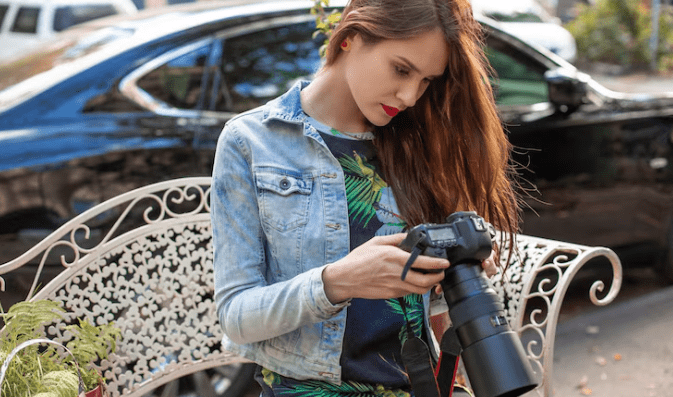
    The Quiet Power of Documentary Photography: Why a Single Image Can Still Shift Public Opinion
    The Quiet Power of Documentary Photography: Why a Single Image Can Still Shift Public Opinion

    Observing how pictures from conflict areas and natural disasters circulate on various platforms gives the impression that the solution is nuanced. Different, but not dead. A photograph landing in someone’s social media feed in 2025 competes with six other photographs, a video, three advertisements, and a post from a cousin’s wedding. The careful placement on a newspaper’s front page and the thoughtful editorial framing that once surrounded a published image have mostly vanished. And yet.

    The images that stop people still stop them. A photograph of a crowded reception area in northern Europe or a flooded community in the Philippines can still elicit an involuntary human reaction that a comprehensive policy brief cannot. That moment of recognition, however brief, is where documentary photography has always operated. Not in the news cycle, but just beneath it.

    Dramatic subject matter isn’t always what sets a truly powerful documentary image apart from the others. It’s specificity. The greatest photographers have always understood that a single detail, such as an old man dozing off in a plastic chair in a government waiting room or a child’s shoe left by the side of the road, has a greater impact than a broad view of a crowd. This could be the reason why careful observation is more important than mere presence. With a camera, you can stand in a challenging situation and come out empty-handed. Alternatively, you could pick up on the correct detail and come back with something that will last for twenty years.

    Documentary photography is worth taking seriously in part because of the unresolved ethical issues surrounding the genre. It is never neutral to point a camera at someone who is experiencing poverty or displacement. The photographer makes decisions about what to include, what to omit, and how to depict desperation or dignity. These decisions have long-term effects. The picture might be seen by audiences the subject will never meet, travel to places they will never enter, and convey a version of their story that they might not fully understand.

    It’s hard not to notice, though, that the photographers who produce lasting work tend to be the ones who spent the most time before lifting the camera. The image that shifts public opinion usually isn’t taken quickly. It happens after spending weeks in a community, having conversations that are never captured in a caption, and developing the kind of trust that transforms a stranger with a lens into something more like a witness. In a world that values speed, documentary photography has always been labor-intensive at its most serious. That tension is probably what keeps it honest.

    Public Opinion Single Image
    Share. Facebook Twitter Pinterest LinkedIn Tumblr Email
    Georgia Weston

    Georgia Weston writes about migration stories, photography, and the changing aesthetics of contemporary cities. She also writes about the politics of public space, visual storytelling, and modern culture. Her research examines how deeper social structures are reflected in everyday settings, food systems, and art. She gives stories at the nexus of image and society a sharp yet measured voice, with an emphasis on documentary practices and cultural identity.

    Related Posts

    How Documentary Photography Differs From Photojournalism — And Why the Distinction Matters

    July 3, 2026

    Why Some of the Best Documentary Photography Today Is Made in Collaboration With Its Subjects

    July 3, 2026

    The Ethical Line Documentary Photographers Walk Every Time They Raise a Camera

    July 3, 2026

    Comments are closed.

    Art Of Photography

    How Documentary Photography Differs From Photojournalism — And Why the Distinction Matters

    By Georgia WestonJuly 3, 20260

    Most people have seen this picture, but they don’t know its name. In 1936, Dorothea…

    Why Some of the Best Documentary Photography Today Is Made in Collaboration With Its Subjects

    July 3, 2026

    The Ethical Line Documentary Photographers Walk Every Time They Raise a Camera

    July 3, 2026

    Why Informed Consent Is Becoming the Most Debated Issue in Documentary Photography Right Now

    July 3, 2026

    The Quiet Power of Documentary Photography – Why a Single Image Can Still Shift Public Opinion

    July 2, 2026

    Why Blind Judging Is Becoming the Gold Standard at Major Photography Festivals

    July 2, 2026

    What Judges Are Actually Looking for in Documentary Photography Competitions in 2026

    July 2, 2026

    Why Documentary Photography Festivals Are Becoming Spaces for Activism, Not Just Exhibition

    July 2, 2026

    From Moments to Arcs – Why Long-Form Visual Storytelling Is Replacing the Single Iconic Photograph

    June 30, 2026

    Why Most Working Documentary Photographers Are Freelance — And What That Actually Means for the Industry

    June 30, 2026

    The Untrained Eye Is Now the Most Trusted Eye: How Local Photographers Are Rewriting Global News

    June 29, 2026

    The Last Roll of Film: How 2026 Became the Year Analog Fought Back Against the Algorithm

    June 29, 2026

    How Tim Smyth’s My Son’s Absence Gave Migrants a Dignity That News Cameras Never Could

    June 29, 2026

    Why Raw Documentary Work Is Quietly Replacing Perfect Photos in 2026

    June 27, 2026

    Why Tim Smyth’s Approach to Documentary Photography Resists the Industry’s Need for Spectacle

    June 27, 2026
    Facebook X (Twitter) Instagram Pinterest
    © 2026 ThemeSphere. Designed by ThemeSphere.

    Type above and press Enter to search. Press Esc to cancel.