

Someone will eventually bring up a photographer whose work they adore if you walk into almost any editorial meeting at a mid-sized magazine. A protest march in São Paulo, a flooded village in Bangladesh, and a small apartment in Detroit where three generations share two bedrooms are just a few of the breathtaking scenes they will showcase. The pictures are amazing. Furthermore, the person who created them is likely not employed anywhere. They weren’t.
In serious journalism, the freelance documentary photographer has emerged as the standard model for visual storytelling. Not because the industry specifically planned it that way, but rather because everyone involved found it convenient, with the possible exception of the photographers themselves.
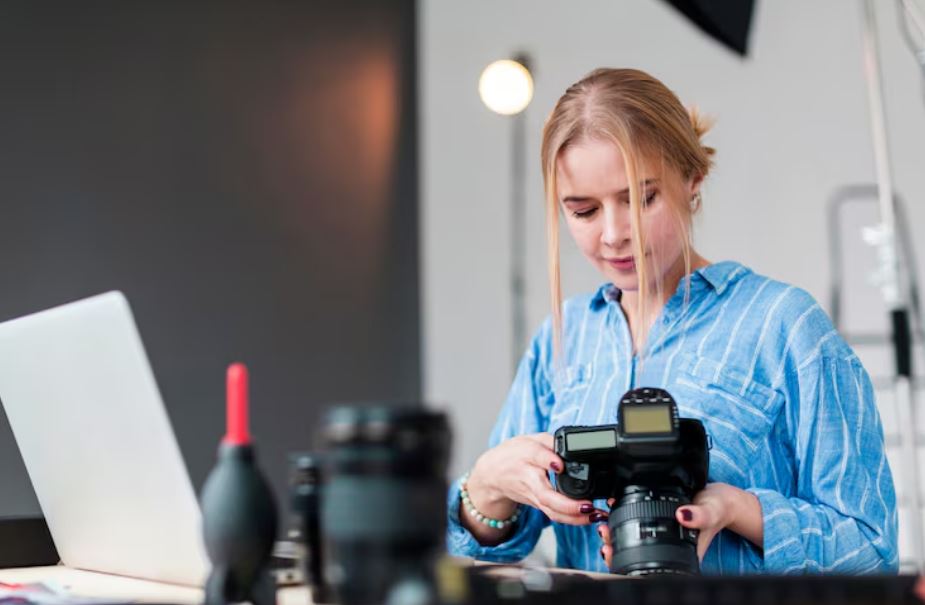
This arrangement has become so ingrained for a reason. Flexible, highly qualified visual reporters are available to newsrooms and publications without requiring them to pay salaries, benefits, or equipment costs. All of it is absorbed by the photographer. They negotiate their rates, own their equipment, handle their taxes, and establish their reputation solely by being dependable over years of employment. If you put it simply, this model sounds almost brutal. However, gifted individuals continue to choose it because the alternative is frequently worse.
For the majority of documentaries, there is no longer a salaried photography position. It might not have existed as people think. Since the early 2000s, staff positions at newspapers that used to hire full-time documentary and feature photographers have been steadily declining; the pandemic hastened this already gradual decline. What’s left is a vast, mostly invisible freelance workforce that, frequently under extreme financial strain, produces some of the most significant visual journalism of our time.
In actuality, this means that the photographer covering a climate disaster is likely working without a set salary, without guaranteed reimbursement for expenses, and with the unspoken knowledge that their next paycheck is contingent upon an editor’s decision to publish this collection of images. Decisions are shaped by that pressure. It influences photographers’ travel habits, length of stay, and willingness to take risks. Whether or not readers of this work comprehend the economic circumstances in which it was produced is still up for debate.
It would be unfair to ignore the fact that there is a component of the independence model that actually results in better work. A freelancer prioritizes their own editorial instincts. They pick their topics, spend more time on stories that resonate with them, and create a body of work that expresses a cohesive personal vision. It is a real freedom. Even when the rent is due, and an editor hasn’t responded in two weeks, most working documentary photographers wouldn’t trade that autonomy lightly, as anyone who has spent time with them will attest.
In the meantime, the industry has subtly grown dependent on this workforce in ways that it doesn’t always recognize. Images from a freelancer who traveled there on their own dime will be gladly licensed by major outlets that would never pay for a staff position in a remote area. For anyone who cares about whether serious documentary work survives the next ten years, as well as for the photographers themselves, the economics are unfair in a way that is worth pointing out.
Grants, collectives, photographer-owned cooperatives, and professional associations creating better frameworks for independent visual journalists are some of the slowly emerging structures that are attempting to rectify the disparity. It is genuinely unclear if that will be sufficient to alter the underlying dynamic. However, the discussion is taking place, which is more than was possible five years ago. The independent documentary photographer is here to stay. The question is whether the sector that relies on their labor will at last begin to behave as though it is aware of this.
FAQs
1. Why do most documentary photographers work freelance instead of holding staff positions?
Staff photography roles have largely disappeared, making freelance the industry’s default model.
2. Who benefits most from the freelance documentary photography arrangement?
Publications gain skilled visual reporters without paying salaries, benefits, or equipment costs.
3. Does freelance work affect the quality or nature of documentary photography?
Independence lets photographers follow their own instincts, often producing more honest, personal work.
4. What are the biggest financial risks freelance documentary photographers face?
No guaranteed income, no benefits, and expenses entirely self-funded on every assignment.
5. Is anything being done to improve conditions for freelance documentary photographers?
Grants, collectives, and professional organizations are slowly building better support frameworks for independents.
