

There’s a certain picture that sticks in your memory—not the one with the flawless gradient sky or the porcelain-smooth skin, but the one where someone’s eyes convey something spontaneous, and their hand is slightly blurry because they were mid-gesture. There has always been an image like that. In 2026, people’s desperation has changed.
According to surveys that track thousands of working photographers worldwide, documentary photography has quietly emerged as the genre that photographers are most drawn to this year. Along with landscape and fine art, documentary work is spearheading the shift, as nearly half of the respondents say they intend to experiment with a new genre in 2026. As traditional portrait and commercial work becomes more competitive, it’s possible that some of this is purely economic in nature—a search for new revenue streams. However, there is also more going on that is more difficult to quantify in terms of revenue.
AI is the most evident context. Editing software can now create images of faces that never existed, swap skies, remove entire people from backgrounds, and perfectly retouch skin. Once the entire purpose of the craft is achieved, the technical execution of a photograph has been partially automated. Strangely, this devaluation of technical perfection has made room for something more traditional and truthful to resurface. The image that cannot have been created is the one that still has significance, when anyone can create an image that is perfect.
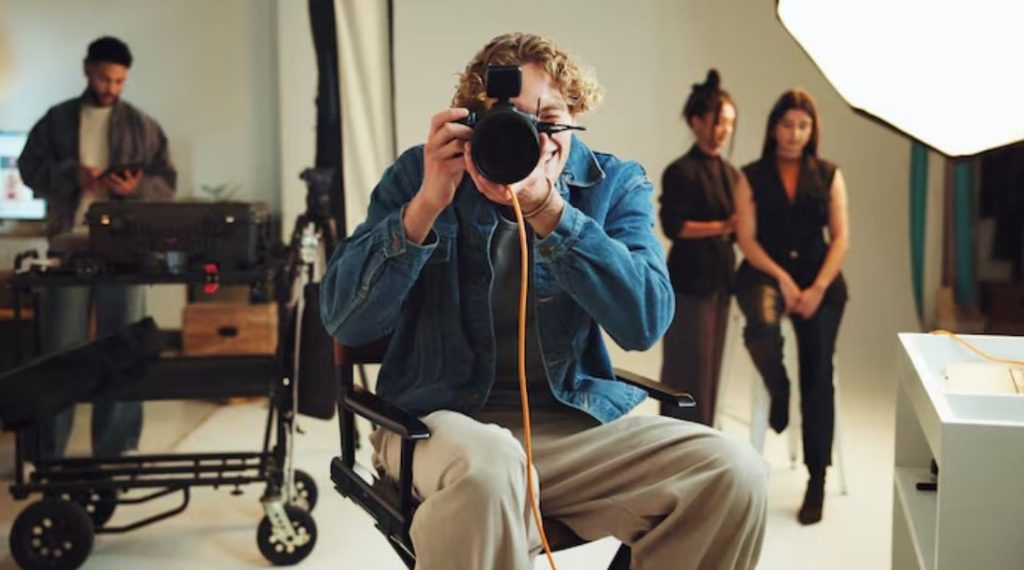
Photographers believe that galleries and clients are beginning to sense this as well. The fashion and commercial industries, which have historically focused on control and polish, are starting to incorporate reportage techniques into their work by photographing subjects in the middle of conversations, in hallways, and between takes. Instead of the actual moment, it was the tension that preceded it. The number of wedding photographers working in the same register is rising. Across genres, the inclination is for something that feels observed rather than planned.
The emergence of C2PA content credentials, a cryptographic system that enables camera bodies to sign images at the time of capture, locking their provenance, is partially responsible for this on a structural level. As the technology advances, it is anticipated that signing capabilities will spread into higher-volume camera lines, with manufacturers like Nikon and Leica being early adopters. This is especially important for photojournalists and documentary photographers. Unlike editors and clients, it’s still unclear if the general public will ever notice or care about provenance badges. However, verifiable authenticity is already becoming a necessity in B2B settings, such as newsrooms, legal paperwork, and regulated advertising.
It’s worth pondering the irony. Some of the most advanced authentication infrastructure ever used in photography is currently safeguarding the genre most associated with spontaneity and rawness. The reputation of the photographer used to lend credibility to documentary work. Now, metadata that can theoretically demonstrate that a person was present with a camera when the shutter fired may also earn it. The question of whether that alters the experience of taking documentary photos is another, and it’s probably not one with a clear solution.
After years of manipulated imagery, it seems more certain that audiences are recalibrating. The desire for visual storytelling, such as triptychs, unfolding sequences, and the pause before an argument, reveals something genuine about the direction of attention. Photographers appear to be aware of this. They’re heading toward a genre that has always personally challenged the majority of them, and maybe that’s precisely the point.
FAQs
1. Why is documentary photography the fastest-growing genre in 2026?
AI has made polished, edited images effortless, making raw authenticity far more valuable.
2. How is AI influencing photographers to shift toward documentary work?
By automating technical perfection, AI has stripped away its value as a unique skill.
3. What is C2PA, and why does it matter for documentary photography?
It cryptographically verifies that a real camera captured an image, proving authenticity.
4. Are commercial photographers also adopting documentary-style techniques?
Yes, fashion and wedding photographers are increasingly blending reportage styles into their work.
5. How many photographers plan to explore a new genre in 2026?
Nearly half of the surveyed photographers globally plan to shoot a new genre this year.
