

Once you recognize it, there is a specific moment that sticks with you. As you browse through the pictures of a friend, coworker, or even a stranger, something seems a little strange. The face has too much smoothness. The jawline is too sharp. The eyes are a bit too bright. Technically, it is a real person. However, it is also not exactly anyone.
An increasing amount of research indicates that the consequences are more severe than most people would like to admit, and the gap between the filtered image and the real human being is growing. According to a study that was published in Computers in Human Behavior, applying a face-slimming filter to your own photo has a greater detrimental impact on your body image than witnessing someone else do the same. Individuals who used the filter felt measurably worse about themselves after comparing their actual appearance to the filtered version and choosing the artificial one. This effect is significant and long-lasting. There is no clear way out of this feedback loop.
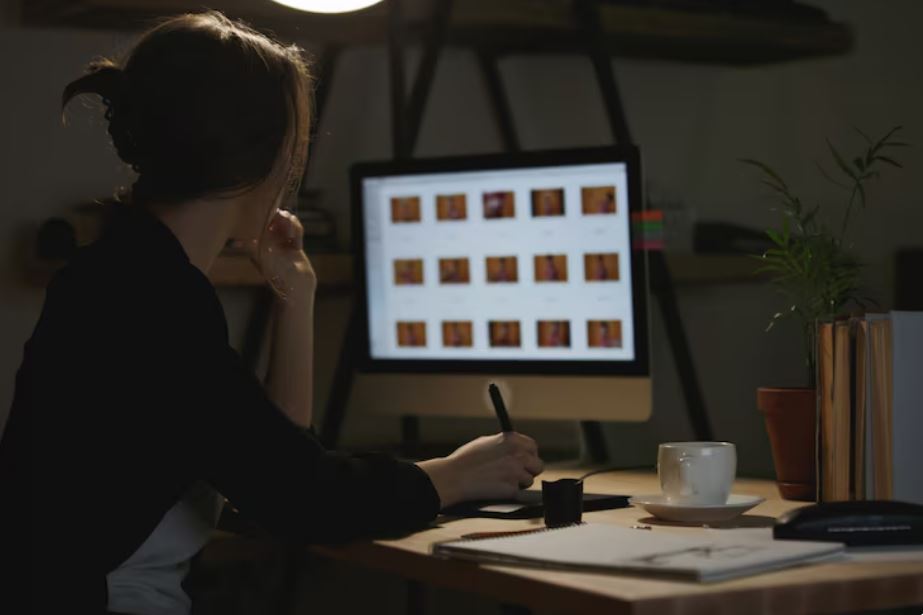
The reasoning behind filters in the first place is what makes this so peculiar. In a study conducted by City University London, 94% of participants said they felt under pressure to look a certain way. Filters seem like a quick fix, a way to boost your self-esteem, and a way to present your best side to the world. However, the research consistently comes to the same unsettling conclusion: you tend to feel worse the more you use them. The act of editing a selfie, spending time on it, and deciding which version of your face is acceptable appears to exacerbate facial dissatisfaction. One study found that the amount of time spent editing was a direct predictor of how much worse participants felt afterward.
The social aspect of all this is worthwhile as well. Filtering your own picture has an impact on more than just your self-esteem. The same 2024 study found that participants who used beauty filters developed anti-fat attitudes toward other people that were approximately 11% stronger. That is a startling discovery. You seem to become more critical of bodies in general, including those of strangers, as a result of digitally enhancing your own image.
In their consultation rooms, dermatologists have begun to observe the downstream effects. Printouts of filtered photos are being brought in by patients who want to know why their skin doesn’t look like that. Some are asking for treatments, such as light therapy or fillers, to mimic effects produced by software in less than a second. Since the gap is not a medical issue, it’s possible that no injectable treatment could ever close it. It is a perceptual one brought about by prolonged exposure to unreal images.
In all of this, the generational divide is still unclear, but it’s worth keeping an eye on. A large portion of the study’s participants are adults who were born before face-altering filters were invented. Younger users may have a completely different relationship with the filtered image because they have had access to these tools since early adolescence and have essentially always known a version of themselves with slimmer features and smoother skin that is available on demand. Researchers are still figuring out whether that improves or worsens the situation.
It is becoming increasingly difficult to argue that regular use of beauty filters is neutral. It warps not only perceptions but also expectations of oneself, other people, and the typical appearance of a face. In the process, something genuine is lost. The majority of us are too preoccupied with editing to notice.
FAQ’s
Q1. Do beauty filters actually harm mental health?
Yes — research consistently links filter use to body dissatisfaction and increased anxiety.
Q2. Why do filtered selfies cause more damage than seeing others use filters?
Comparing your real face to your own filtered version hits closer and harder.
Q3. Can using filters change how you judge other people’s bodies?
Yes — filter users developed 11% stronger anti-fat attitudes toward others.
Q4. At what age do young people start editing their photos?
Most girls have used photo-editing apps before turning thirteen.
Q5. Are beauty filters influencing medical and dermatology appointments?
Patients now request procedures specifically to replicate digitally filtered appearances.
