

The announcement of Martin Parr’s death, made from his home in Bristol on a gloomy December weekend, has evoked the same mixture of love and anxiety that characterized his career, which is somewhat fitting given that Parr spent decades teaching the British public to recognize itself in his photographs.
He took pictures of shoppers meandering through supermarket aisles as if they were sleepwalking through a dream that only he could see clearly, sunbathers sprawled next to excavators, and retirees holding ice cream under fluorescent lighting. It’s difficult to ignore how odd it seems that the man who once made boredom seem fascinating is no longer around to take pictures of whatever happens next.
Who fills the void is the obvious question that is being asked in private this week in the backrooms of galleries and photography departments. Unlike most successful artists, Parr didn’t really have peers. Undoubtedly, he had copycats, and a whole generation of younger photographers grew up using saturated color because Parr made it seem like the only authentic way to view Britain. Imitation, however, is not succession. It’s genuinely unclear if anyone currently employed has the same taste for the ordinary and the same desire to discover a village celebration as visually stunning as a combat zone.
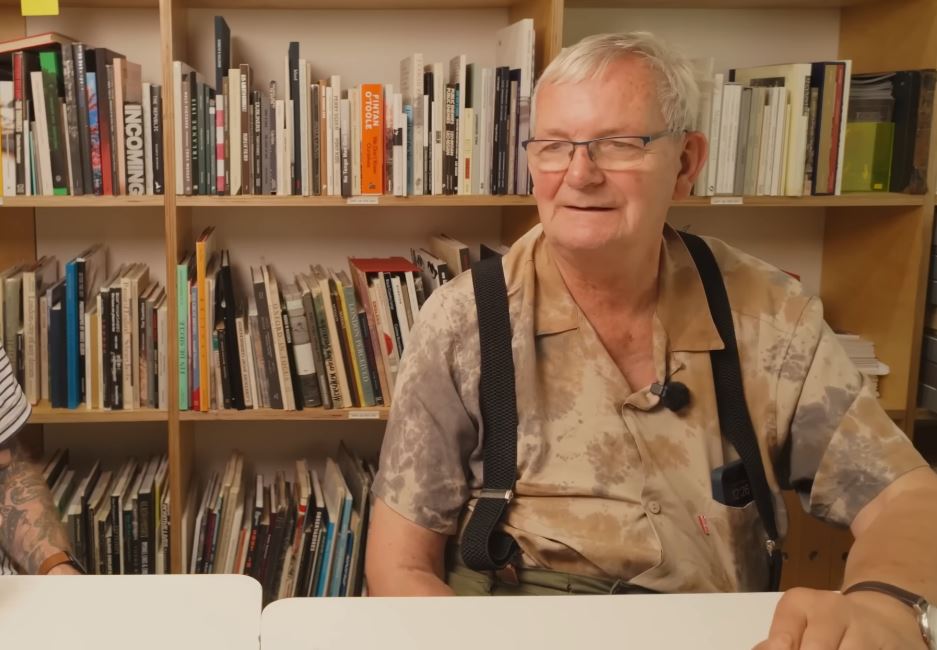
In any case, it seems that British documentary photography has been subtly moving away from Parr’s domain for years in favor of something more overtly political, more focused on marginalization and identity than on the subtle social comedy of Conservative club dinners and coffee mornings. Even though the culture surrounding Parr’s particular brand of affectionate mockery has changed significantly since The Last Resort first appeared in 1986, investors in the art world, including galleries, collectors, and those who choose which photobooks are reissued, seem to think that the demand for it hasn’t diminished.
Parr’s eye was important, but it wasn’t the only thing that made him hard to replace. It was the uncertainty that was present in almost every frame. Karen Wright’s long-standing observation—that some criticized him for examining the working classes while others saw only an unwavering honesty—was never really addressed, and perhaps that’s the point. He consistently claimed to have taken serious pictures under the guise of amusement. Since then, very few photographers have been able to pull off that specific trick without veering too far toward sentimentality or cruelty.
Parr’s impact might ultimately be more significant from an institutional than an artistic standpoint. In a way that many documentary photographers never get, the Martin Parr Foundation in Bristol provides his work with a permanent home through its gallery and archive. Just that alters how a legacy is taught and conserved. His prints are already at MoMA and Yale. Magnum will continue to share his photos. There is an exceptionally strong infrastructure for remembering him.
Nevertheless, a body of work that focuses solely on observing everyday British life loses its observer in a melancholic way. For fifty years, Parr found purpose in shopping malls and coastal towns that the majority of people ignored. It’s tempting to wonder if anyone will bother looking that closely again or if that specific kind of attention dies with the person who invented it, given the tributes that have accumulated this week from both former students and Magnum colleagues.
This article discusses a recent death; if the subject personally affects you, you can get support from your local mental health services.
FAQs
When did Martin Parr die?
Martin Parr died on 6 December 2025, aged 73.
Where did Martin Parr die?
He died at his home in Bristol, England.
What is Martin Parr best known for?
His 1986 photobook The Last Resort documents working-class life in New Brighton.
Who survives Martin Parr?
His wife Susie, daughter Ellen, sister Vivien, and grandson George.
What happens to Martin Parr’s archive now?
It remains housed at the Martin Parr Foundation in Bristol.
