Close Menu
Tim Smyth ArtTim Smyth Art
    Facebook X (Twitter) Instagram
    Facebook X (Twitter) Instagram
    Tim Smyth ArtTim Smyth Art
    Subscribe
    • Home
    • Art Of Photography
    • Art and Culture
    • Latest
    • Celebrities
    • News
    • Privacy Policy
    • Contact US
    • Terms Of Service
    • About Us
    Tim Smyth ArtTim Smyth Art
    Home » The Myth of the Small Piece – Why Some Artists Refuse Intimacy
    Art and Culture

    The Myth of the Small Piece – Why Some Artists Refuse Intimacy

    Georgia WestonBy Georgia WestonMay 20, 2026No Comments3 Mins Read
    Facebook Twitter Pinterest LinkedIn Tumblr Email
    Share
    Facebook Twitter LinkedIn Pinterest Email

    There is a belief that permeates painters’ studios; it’s the kind of thing that no one talks about, but everyone seems to be aware of. You will lose a piece of the person you love if you paint them. Not all at once. Not very loudly. The way heat escapes a room after the door has been left open for too long is slowly. Some artists dismiss it with a laugh. Some won’t even talk about it. Surprisingly, many people just won’t try.

    It’s odd how obstinate the notion has grown. The old superstition still holds even though painters now work with phones in their pockets and algorithms influencing their feeds. Artists trade near the wine table, and you can hear it in conversations at small openings and in those incomplete sentences. There is always a pause when someone brings up a picture of a parent, a partner, or a sister. A tiny wince. a “I wouldn’t have done it” expression.
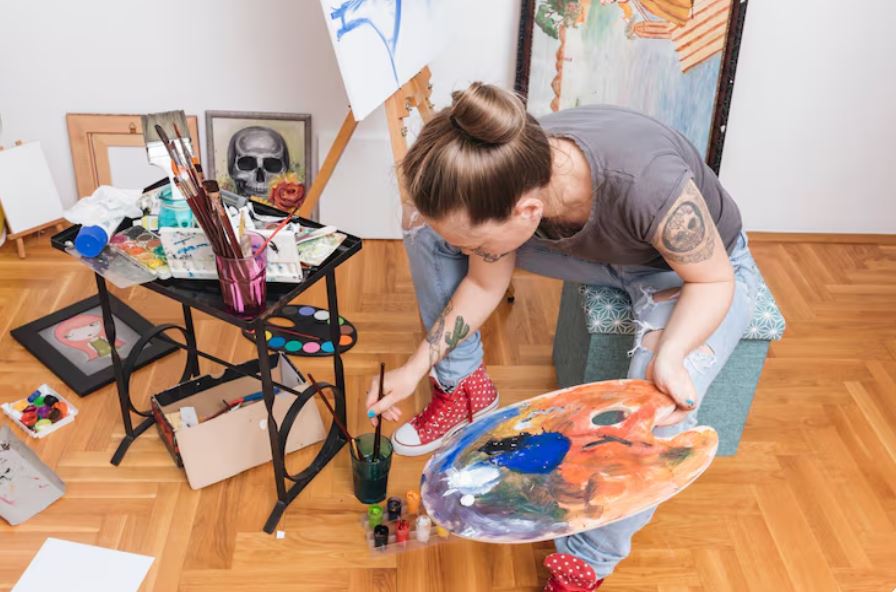
    The Myth of the Small Piece: Why Some Artists Refuse Intimacy
    The Myth of the Small Piece: Why Some Artists Refuse Intimacy

    In the realm of small-format painting, where intimacy is the theme and intimacy is encouraged by the scale, the myth has a gentler relative. The viewer is urged to lean in by these pieces. to breathe close to them. That has a certain tenderness, but it also carries some risk. Painting small is an admission of guilt. Furthermore, confession has a price, even on canvas. Perhaps this is the reason why some artists like the sound of a big installation that conceals the maker behind its size, the safety of distance, or the cool geometry of abstraction.

    Another issue is the gaze, a topic that has been discussed for a long time in art theory but is still relevant today. It is never neutral to look. The looker and the looked-at are rearranged. Something changes when a painter spends hours studying a beloved face. The individual turns into a study. The research becomes an issue. After the issue has been resolved on the canvas, it may seem strangely closed, as though the relationship itself has been resolved. You begin to comprehend the reluctance when you see friends who paint experience this.

    None of this can be proven, of course. There is no information on lost love and portraits, nor is there a graph that compares the drying time of oil paint to emotional deterioration. The curse may be simply romanticized selection bias; artists tend to focus on relationships that endure while forgetting those that don’t. However, the belief endures, and persistent beliefs typically contain some truth. It’s not just painters who worry that too much observation can alter something. The same thing worries writers. On slower days, photographers confess.

    However, the refusal itself remains. The painter who never draws a wife. The portraitist who works only from strangers. The figurative artist who completely avoids showing her own family. These decisions are simple to ignore, but they create a sort of unspoken code of conduct within the studio, stating that certain intimate details should not be translated. There is no answer to the question of whether that preserves the love or just starves the art. And perhaps no one can. The fear that underlies the myth endures because it is carried from one studio to another like a damp cloth—useful, unwashed, and somehow still functional.

    Myth of the Small Piece
    Share. Facebook Twitter Pinterest LinkedIn Tumblr Email
    Georgia Weston

    Georgia Weston writes about migration stories, photography, and the changing aesthetics of contemporary cities. She also writes about the politics of public space, visual storytelling, and modern culture. Her research examines how deeper social structures are reflected in everyday settings, food systems, and art. She gives stories at the nexus of image and society a sharp yet measured voice, with an emphasis on documentary practices and cultural identity.

    Related Posts

    The Last Roll of Film: How 2026 Became the Year Analog Fought Back Against the Algorithm

    June 29, 2026

    Why Documentary Photographers Are Walking Away From Commercial Work for the First Time in a Decade

    June 27, 2026

    The Tuscan Hill Town Festival Quietly Becoming a Global Hub for Documentary Storytelling

    June 22, 2026

    Comments are closed.

    Art Of Photography

    How Documentary Photography Differs From Photojournalism — And Why the Distinction Matters

    By Georgia WestonJuly 3, 20260

    Most people have seen this picture, but they don’t know its name. In 1936, Dorothea…

    Why Some of the Best Documentary Photography Today Is Made in Collaboration With Its Subjects

    July 3, 2026

    The Ethical Line Documentary Photographers Walk Every Time They Raise a Camera

    July 3, 2026

    Why Informed Consent Is Becoming the Most Debated Issue in Documentary Photography Right Now

    July 3, 2026

    The Quiet Power of Documentary Photography – Why a Single Image Can Still Shift Public Opinion

    July 2, 2026

    Why Blind Judging Is Becoming the Gold Standard at Major Photography Festivals

    July 2, 2026

    What Judges Are Actually Looking for in Documentary Photography Competitions in 2026

    July 2, 2026

    Why Documentary Photography Festivals Are Becoming Spaces for Activism, Not Just Exhibition

    July 2, 2026

    From Moments to Arcs – Why Long-Form Visual Storytelling Is Replacing the Single Iconic Photograph

    June 30, 2026

    Why Most Working Documentary Photographers Are Freelance — And What That Actually Means for the Industry

    June 30, 2026

    The Untrained Eye Is Now the Most Trusted Eye: How Local Photographers Are Rewriting Global News

    June 29, 2026

    The Last Roll of Film: How 2026 Became the Year Analog Fought Back Against the Algorithm

    June 29, 2026

    How Tim Smyth’s My Son’s Absence Gave Migrants a Dignity That News Cameras Never Could

    June 29, 2026

    Why Raw Documentary Work Is Quietly Replacing Perfect Photos in 2026

    June 27, 2026

    Why Tim Smyth’s Approach to Documentary Photography Resists the Industry’s Need for Spectacle

    June 27, 2026
    Facebook X (Twitter) Instagram Pinterest
    © 2026 ThemeSphere. Designed by ThemeSphere.

    Type above and press Enter to search. Press Esc to cancel.