

Once you pass Lake Trasimeno on the autostrada heading south from Florence, the scenery starts to change. The towns sit higher, the hills narrow, and the billboards become fewer in number. Tuscany’s tour buses never stop passing through Umbria, which has always been its quieter sister. It turns out that the silence is intentional. Locals have been defending, debating, and sometimes fighting over it for decades.
You’ll understand what I mean if you visit Perugia on a Wednesday afternoon. When they first opened, the escalators that ascend through the Rocca Paolina—the Renaissance stronghold now buried beneath the contemporary city—were a contentious intervention. They were referred to as an insult to the stone by some locals. Some referred to them as a minor miracle. In their own ways, both groups were fighting over the same issue: who gets to choose which Umbrian version will endure into the next century.
Umbria presents a more compelling argument than most, but heritage preservation in Italy has always been a political issue. Speaking with employees of the regional cultural offices gives me the impression that each restoration project has a sort of secret ledger. You could discreetly relocate the medieval bakery built into the Roman wall if you save it. The nineteenth-century plaster that shielded the Franciscan fresco for two centuries is scraped away when it is restored. Umbria is full of those tiny, nearly imperceptible trade-offs, and scholars like Jonathan Bell have written about how preservation frequently favors one heritage at the expense of another.
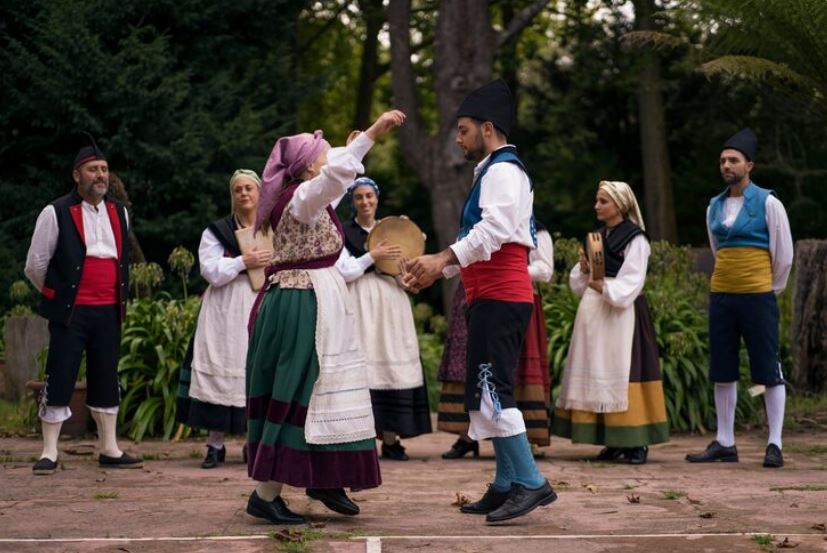
The sagre are another. These culinary celebrations, which take over village squares every summer, are devoted to everything from Castelluccio’s lentils to Norcia’s black truffles. According to researchers Christopher Fink and Elisa Ascione, sagre are more than just quaint get-togethers; they are political rituals that transform everyday home cooking into what the community can refer to as heritage cuisine. It’s difficult to ignore the multi-layered performance of it all when you watch one take place, with grandmothers serving stew beneath fluorescent tents and local council members giving speeches that nobody pays attention to.
It is evident that the Perugian regional government, which currently actively oversees and encourages these celebrations, has determined that food memory is worth protecting. It is worthwhile to consider whether that defense undermines the custom and transforms living practice into a branded experience. When tourists arrive, they anticipate authenticity, which then turns into a commodity.
And to make matters more complicated, there is Assisi. After parts of the upper basilica were destroyed by the 1997 earthquake, restoration workers spent years reassembling Giotto’s frescoes from the debris. The work was outstanding. However, it also brought up an awkward question that no one really wanted to address aloud: what exactly are visitors preserving when so much of what they see has been rebuilt, restored, or subtly reinterpreted?
It’s possible that the majority of visitors don’t care about the answer. They desire the bell towers, the slow lunch, and the cypress trees. And Umbria does, for the most part, deliver. Beneath the postcard image, however, is an ongoing negotiation between the past that is paved over and the past that is celebrated. This negotiation is frequently invisible and occasionally contentious. This is a long-standing practice in the area. It’s still unclear if it can continue to do so without losing the texture that makes Umbria feel like Umbria.
