

Somewhere in a packing shed in Lincolnshire, there is a cauliflower in a crate that will never end up on a grocery store shelf. It has an off-white tint that caught the grader’s attention in a split second, a small bruise near the stem, and is marginally smaller than its neighbors. It ends up in the reject bin. Beside it was a carrot that resembled a pair of crossed legs; it was culturally invisible, technically edible, and nutritionally the same as the rest of the harvest. On every continent, this type of moment occurs millions of times every day. It is the silent, unrecorded portion of the food chain.
Most people are unaware of how bad the numbers are. Fruits and vegetables are the most severely affected, with losses occasionally reaching 60%, according to FAO estimates that 13% of all food produced worldwide is lost between harvest and retail shelf. After leaving the farm gate, about 30 to 40 percent of all fruit and vegetables disappear, much of which is perfectly edible. It is not bacterial spoilage. It’s beautiful. Too knobby a potato. A split pepper along the side. A tomato with a small crack in the shoulder. Supermarkets have taught consumers to expect consistency, and farms have just complied.
The picture becomes clearer if you spend an afternoon with a grower in Sangamner, in the onion belt of India. A buyer’s size check on a few onions resulted in the loss of entire shipments, according to Bhanudas Shelke, who owns a farmer-producer business there. The truck would be turned back at the buyer’s gate after he spent the equivalent of a small car payment on manual grading. For a family that planted six months ago, that kind of rejection is the difference between profit and ruin; it’s not bureaucratic.
The actual sorting is frequently done by hand under fluorescent lighting by weary employees whose judgment wanes as the hours pass. According to farmers I’ve read about, Agrograde, an AI startup, has been selling sorting machines that use an algorithm and a camera, and their rejection rates have significantly decreased. This could be the start of something more significant, a democratization of quality control that was previously exclusive to major exporters.
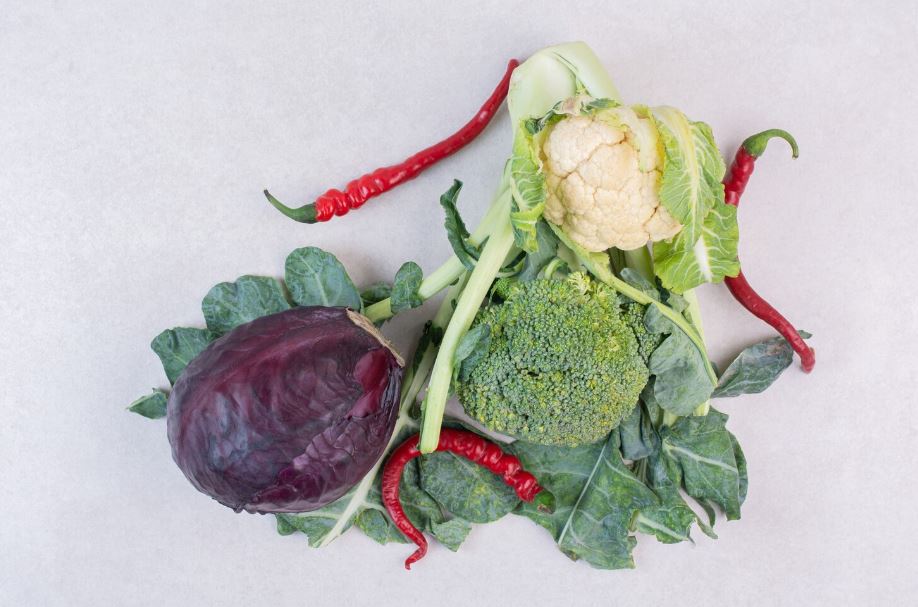
What happens to the vegetables that are rejected comes next. Some are plowed back into fields, which may seem sustainable, but is frequently not because decomposing produce releases methane, and the nutrients it returns to the soil are rarely balanced. Some are used for livestock. Nowadays, a tiny but increasing portion goes to processing facilities that use imperfect broccoli, beans, and cauliflower to make frozen mixes, patties, pastes, and soups. These “outgrades” were actually higher in carotenoids than some of the more attractive specimens found on store shelves, according to Polish researchers. The reject pile was occasionally winning in terms of nutrition, which is an odd and a little unsettling finding.
Observing this system gives me the impression that the retail contract is subtly failing. Younger consumers have started purchasing “ugly box” subscriptions in places like São Paulo, Seoul, and Berlin. In France, supermarkets are required by law to sell imperfect produce. Restaurants are beginning to use wonky carrots as a sign of authenticity. It’s still unclear if this change, a noble pastime of the urban middle class, will grow or remain specialized. However, the waste math is unsustainable, and the climate math is even more problematic. A huge harvest is vanishing somewhere between the packing shed and the dinner plate into a bin that history might one day call ridiculous.
