Close Menu
Tim Smyth ArtTim Smyth Art
    Facebook X (Twitter) Instagram
    Facebook X (Twitter) Instagram
    Tim Smyth ArtTim Smyth Art
    Subscribe
    • Home
    • Art Of Photography
    • Art and Culture
    • Latest
    • Celebrities
    • News
    • Privacy Policy
    • Contact US
    • Terms Of Service
    • About Us
    Tim Smyth ArtTim Smyth Art
    Home » The Manual Future – Why Artists Are Resisting Automation
    Art and Culture

    The Manual Future – Why Artists Are Resisting Automation

    Georgia WestonBy Georgia WestonMay 18, 2026No Comments3 Mins Read
    Facebook Twitter Pinterest LinkedIn Tumblr Email
    Share
    Facebook Twitter LinkedIn Pinterest Email

    For me, it all began with a sign at a Burbank rally last summer. In thick black marker, someone had sketched Bender from Futurama while carrying a sign that said, “Leave Animation to the Humans.” It was a small joke that told you everything about who was going to be there that afternoon, and it was beautifully framed. In the abstract sense, these weren’t tech skeptics. They had spent twenty years learning how to draw, and now they were being told that using their hands was optional.

    By all accounts, the Stand With Animation rally was the biggest in the Animation Guild’s history. I can’t stop thinking about that detail. During regular contract negotiations, guilds typically don’t break records. Something has changed, and it feels more like a generational refusal than a labor dispute. The Mitchells vs. the Machines director Mike Rianda has been candid about what he has heard in studio rooms: executives openly considering laying off half of their staff. It remains to be seen if they can truly pull it off. The fact that they are saying it aloud is crucial.
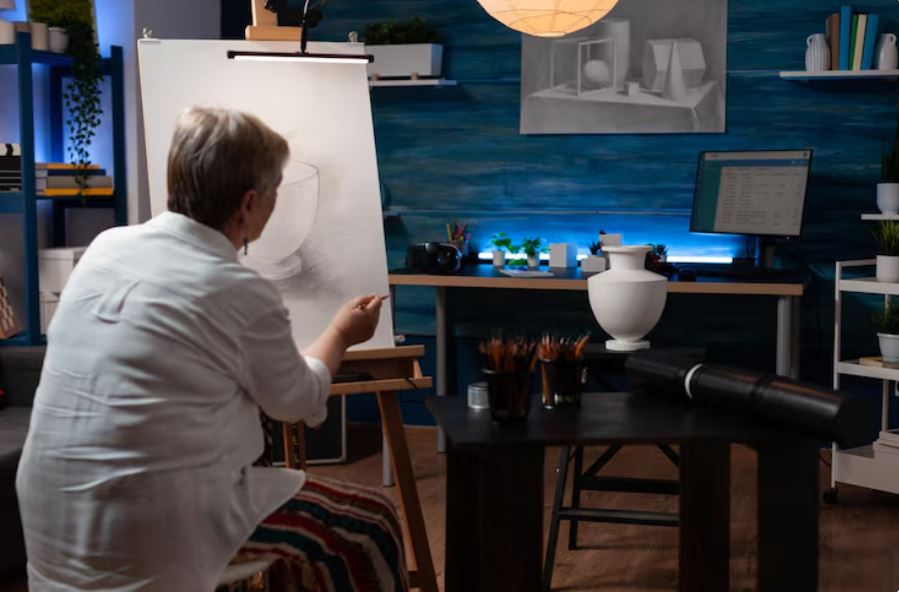
    The Manual Future: Why Artists Are Resisting Automation
    The Manual Future: Why Artists Are Resisting Automation

    Karla Ortiz and her co-plaintiffs’ lawsuit against Stability AI and Midjourney, meanwhile, overcame a barrier that most observers thought it would not. In other words, the AI companies must now reveal what they used to train their models because the judge allowed it to proceed to discovery. Brian Merchant was informed by Ortiz that she had opened “a nice big bottle of sparkly wine.” It’s a tiny, incredibly human detail. A bottle of something cold on a Friday night, years of labor, and an uncertain future. These fights actually appear like that.

    Tech coverage frequently frames this as nostalgia versus progress, which completely misses the mark. According to a 2022 Oxford study, machine learning is a tool, not a replacement, and it is impossible to transfer creative decisions that are based on lived experience into a dataset. A follow-up from Barcelona in 2026 went even further: In a creative imagination task, researchers found that unguided AI performed the worst when compared to visual artists, regular people, and AI image models. Not near. Finally. It’s the kind of discovery that ought to shatter some Silicon Valley confidence, but it most likely won’t.

    The way the artists themselves depict the danger is intriguing. They don’t specifically claim that AI is poor at art. They claim it’s acceptable to lower commissions, eliminate junior roles, and allow studios to act as though the finished product is satisfactory. I was struck by Rianda’s statement that executives will make money for two years before the bottom falls out, at which point the jobs will be gone. That has a subtle, tired realism to it. Don’t panic. Not Luddism in the sense of a cartoon. Just knowing how these cycles come to an end.

    As you pass the picket lines, the signs, and the lawsuits, it’s difficult to ignore the fact that those closest to the work are the ones who are least impressed by the machines. That most likely has some significance. The question of whether the courts, studios, and venture capitalists will listen to it is still up for debate.

    Manual Future
    Share. Facebook Twitter Pinterest LinkedIn Tumblr Email
    Georgia Weston

      Georgia Weston writes about migration stories, photography, and the changing aesthetics of contemporary cities. She also writes about the politics of public space, visual storytelling, and modern culture. Her research examines how deeper social structures are reflected in everyday settings, food systems, and art. She gives stories at the nexus of image and society a sharp yet measured voice, with an emphasis on documentary practices and cultural identity.

      Related Posts

      Why Obsession Is the Artist’s Most Dangerous Tool

      May 13, 2026

      Memory as Evidence – Art in the Age of Forced Migration

      May 11, 2026

      The Ethics of Charity Editions in Political Art – Where Conscience Meets Commerce

      May 8, 2026
      Leave A Reply Cancel Reply

      You must be logged in to post a comment.

      Lifestyle

      Making Work People Feel They Belong Is Harder Than Most Bosses Admit

      By Georgia WestonMay 18, 20260

      When people don’t feel like they belong in an office, a certain kind of silence…

      The Manual Future – Why Artists Are Resisting Automation

      May 18, 2026

      Why Big Work Matters in a Shrinking Attention Span Era

      May 15, 2026

      From Circus Bloodlines to Urban Installations – The Nomadic Creative

      May 15, 2026

      The Studio as Sanctuary in an Age of Digital Noise – Why Artists Are Building Walls Against the Algorithm

      May 13, 2026

      Why Obsession Is the Artist’s Most Dangerous Tool

      May 13, 2026

      Paint by Numbers – The Hidden Discipline Behind Monumental Chaos

      May 11, 2026

      The Human Cost of a Headline – What Newsrooms Forget When the Cameras Move On

      May 11, 2026

      Memory as Evidence – Art in the Age of Forced Migration

      May 11, 2026

      Borders in the Frame – How Photographers Navigate Power

      May 8, 2026

      The Ethics of Charity Editions in Political Art – Where Conscience Meets Commerce

      May 8, 2026

      Syria, Prints and Protest – When Photography Funds Resistance

      May 7, 2026

      Who Gets Documented — And Who Disappears? Inside Pakistan’s Quiet Crisis

      May 7, 2026

      The Visual Language of Exile – How Displaced Artists Speak Without Words

      May 5, 2026

      Lampedusa and the Politics of Image – How a Tiny Island Became Europe’s Most Photographed Border

      May 5, 2026
      Facebook X (Twitter) Instagram Pinterest
      © 2026 ThemeSphere. Designed by ThemeSphere.

      Type above and press Enter to search. Press Esc to cancel.