Close Menu
Tim Smyth ArtTim Smyth Art
    Facebook X (Twitter) Instagram
    Facebook X (Twitter) Instagram
    Tim Smyth ArtTim Smyth Art
    Subscribe
    • Home
    • Art Of Photography
    • Art and Culture
    • Latest
    • Celebrities
    • News
    • Privacy Policy
    • Contact US
    • Terms Of Service
    • About Us
    Tim Smyth ArtTim Smyth Art
    Home ยป The Quiet Erasure – When AI Learns to Photograph Absence
    Art Of Photography

    The Quiet Erasure – When AI Learns to Photograph Absence

    Georgia WestonBy Georgia WestonMay 21, 2026No Comments4 Mins Read
    Facebook Twitter Pinterest LinkedIn Tumblr Email
    Share
    Facebook Twitter LinkedIn Pinterest Email

    A photograph that has been subtly, almost courteously, altered by a machine contains a certain kind of silence. Sometimes it goes unnoticed at first. The light appears to be correct. The composition is sound. However, something has escaped the frame, and the picture continues to advance as if nothing had happened. What worries me the most about the current generation of AI image tools is that. They don’t make a big deal out of what they take out. They are neat.

    Jessica Smith, an Australian Paralympic swimmer, wrote earlier this year about using an AI to create a self-portrait. She was given two arms by the system. She had one from birth. It is a tiny, yet not insignificant, detail in the architecture of a single image. Throughout her adult life, Smith has told people that her body is not a problem that needs to be fixed. The algorithm made a different decision based on whatever enormous and unexamined pile of images shaped it. She was corrected by it. Silently.
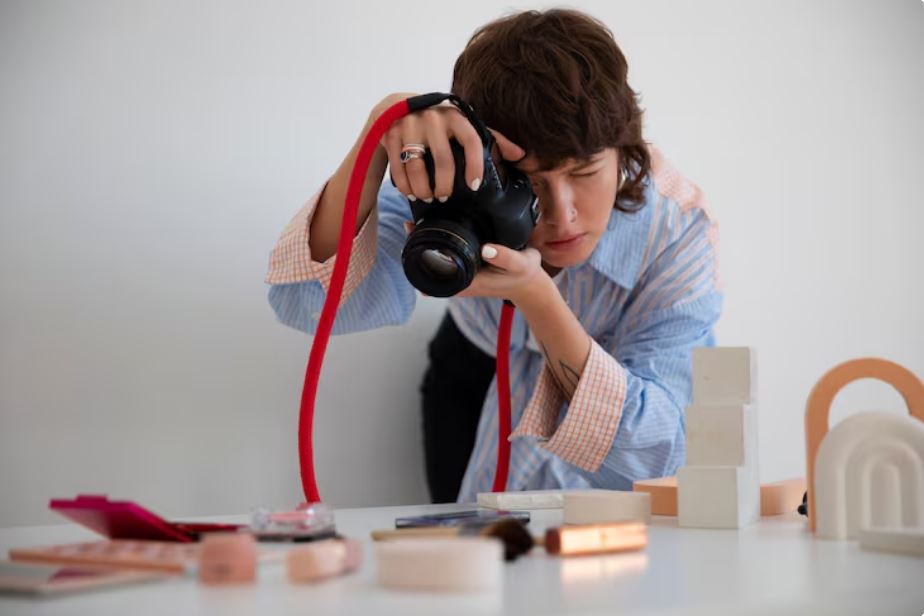
    When AI Learns to Photograph Absence
    When AI Learns to Photograph Absence

    This is the peculiar new realm that generative photography has ventured into. Without being asked, tools that can visualize a boardroom in Singapore or a sunny beach in Lisbon can also smooth away a scar, a wheelchair, a missing limb, or a hearing aid. There is no declaration of absence. It is designed. Additionally, most viewers are unaware of what has been edited out of existence because the output appears plausible.

    This was done on purpose by the Deep Angel project, which was run by MIT’s Media Lab years ago. It asked viewers to notice when objects were removed from photos. It was presented as provocation, art, and a means of exposing a mirror to manipulation. The current situation feels different. The experiment is not the erasure. It is the standard behavior. There was no button marked “remove disability.” Long before the user typed a prompt, the training data completed the task.

    It’s possible that none of this was intended by the engineers who built these systems. Most of them, I think, didn’t. According to a recent Microsoft article, the issue isn’t intent. It’s the lack of specific bodies, skin tones, or lives in the data that the models are trained on. Trash in, gospel out. A model trained primarily on stock photos of physically fit individuals will confidently create a world composed solely of physically fit individuals. The risky aspect is the confidence.

    Photographers have begun to rebel. David Mesfin started a project to retrain models using never-before-seen images after witnessing AI tools repeatedly fail to render Black surfers. Others are discreetly performing comparable work for elderly faces, disabled subjects, and the kinds of beauty that the industry initially neglected to capture on camera. It is labor that is slow and unglamorous. It doesn’t follow any trends.

    There’s a sense, watching all of this unfold, that we are deciding what the visual memory of this decade will look like, and we are doing it by accident. The models of the future will be trained using the images we create today. Absence compounds if it is baked in now. A child born next year without a left arm may grow up searching for images that look like her and finding only the corrected version, the one the machine preferred.

    It’s difficult to ignore the amount of faith we put in something we never requested to see. The frame expands. The picture shows up. We continue to scroll. A body that once existed has ceased to exist somewhere inside that scroll, and no notification has been sent.

    AI Learns Photograph
    Share. Facebook Twitter Pinterest LinkedIn Tumblr Email
    Georgia Weston

      Georgia Weston writes about migration stories, photography, and the changing aesthetics of contemporary cities. She also writes about the politics of public space, visual storytelling, and modern culture. Her research examines how deeper social structures are reflected in everyday settings, food systems, and art. She gives stories at the nexus of image and society a sharp yet measured voice, with an emphasis on documentary practices and cultural identity.

      Related Posts

      Searching for the Perfect Edge in Photography – Why the Frame’s Border Matters More Than You Think

      May 21, 2026

      When Dinner Becomes Distance: Love, Food and Photography in the Digital Age

      April 13, 2026

      The Documentary Gaze in the Age of AI-Generated Reality

      April 10, 2026
      Leave A Reply Cancel Reply

      You must be logged in to post a comment.

      Art Of Photography

      The Quiet Erasure – When AI Learns to Photograph Absence

      By Georgia WestonMay 21, 20260

      A photograph that has been subtly, almost courteously, altered by a machine contains a certain…

      Searching for the Perfect Edge in Photography – Why the Frame’s Border Matters More Than You Think

      May 21, 2026

      Walking Away – The Art of Letting the Public Own the Work

      May 20, 2026

      The Myth of the Small Piece – Why Some Artists Refuse Intimacy

      May 20, 2026

      Making Work People Feel They Belong Is Harder Than Most Bosses Admit

      May 18, 2026

      The Manual Future – Why Artists Are Resisting Automation

      May 18, 2026

      Why Big Work Matters in a Shrinking Attention Span Era

      May 15, 2026

      From Circus Bloodlines to Urban Installations – The Nomadic Creative

      May 15, 2026

      The Studio as Sanctuary in an Age of Digital Noise – Why Artists Are Building Walls Against the Algorithm

      May 13, 2026

      Why Obsession Is the Artistโ€™s Most Dangerous Tool

      May 13, 2026

      Paint by Numbers – The Hidden Discipline Behind Monumental Chaos

      May 11, 2026

      The Human Cost of a Headline – What Newsrooms Forget When the Cameras Move On

      May 11, 2026

      Memory as Evidence – Art in the Age of Forced Migration

      May 11, 2026

      Borders in the Frame – How Photographers Navigate Power

      May 8, 2026

      The Ethics of Charity Editions in Political Art – Where Conscience Meets Commerce

      May 8, 2026
      Facebook X (Twitter) Instagram Pinterest
      © 2026 ThemeSphere. Designed by ThemeSphere.

      Type above and press Enter to search. Press Esc to cancel.